

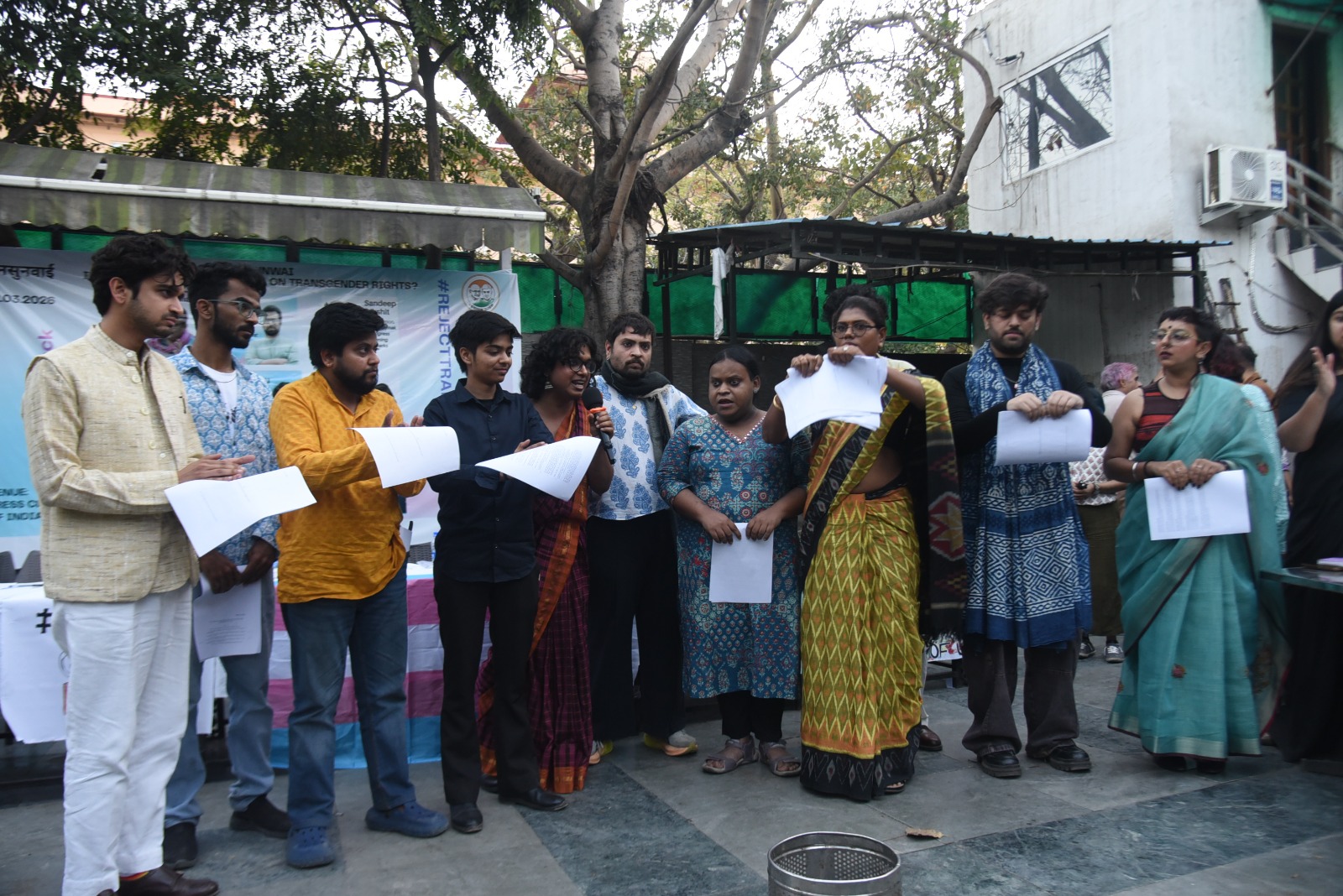
By Manaswee
If the whole world’s a stage, we know ours is uneven. We therefore build and rely on institutions that can sustain a civil society where no one’s being, aspiration, or achievement is jeopardised. Any critical act or word towards these institutions is not defiance; it is a demand for what is due to those who built them.
When lived realities turn everyday survival into an act of quiet courage, we are often asked to hold together the fragile threads of a society that depends on mutual trust, support, and kindness. But when injustice becomes structural, it rarely announces itself. It settles quietly into systems, disguises itself as reform, and at some point, asks you to prove that you, too, deserve to belong.
This is precisely what The Transgender Persons (Protection of Rights) Amendment Bill, 2026, attempts to do. The Bill has multiple “reforms” that the government claims to cater to the “genuine beneficiaries” of the Transgender Persons (Protection of Rights) Act 2019. The “genuineness” of these beneficiaries itself is what the State failed to identify.
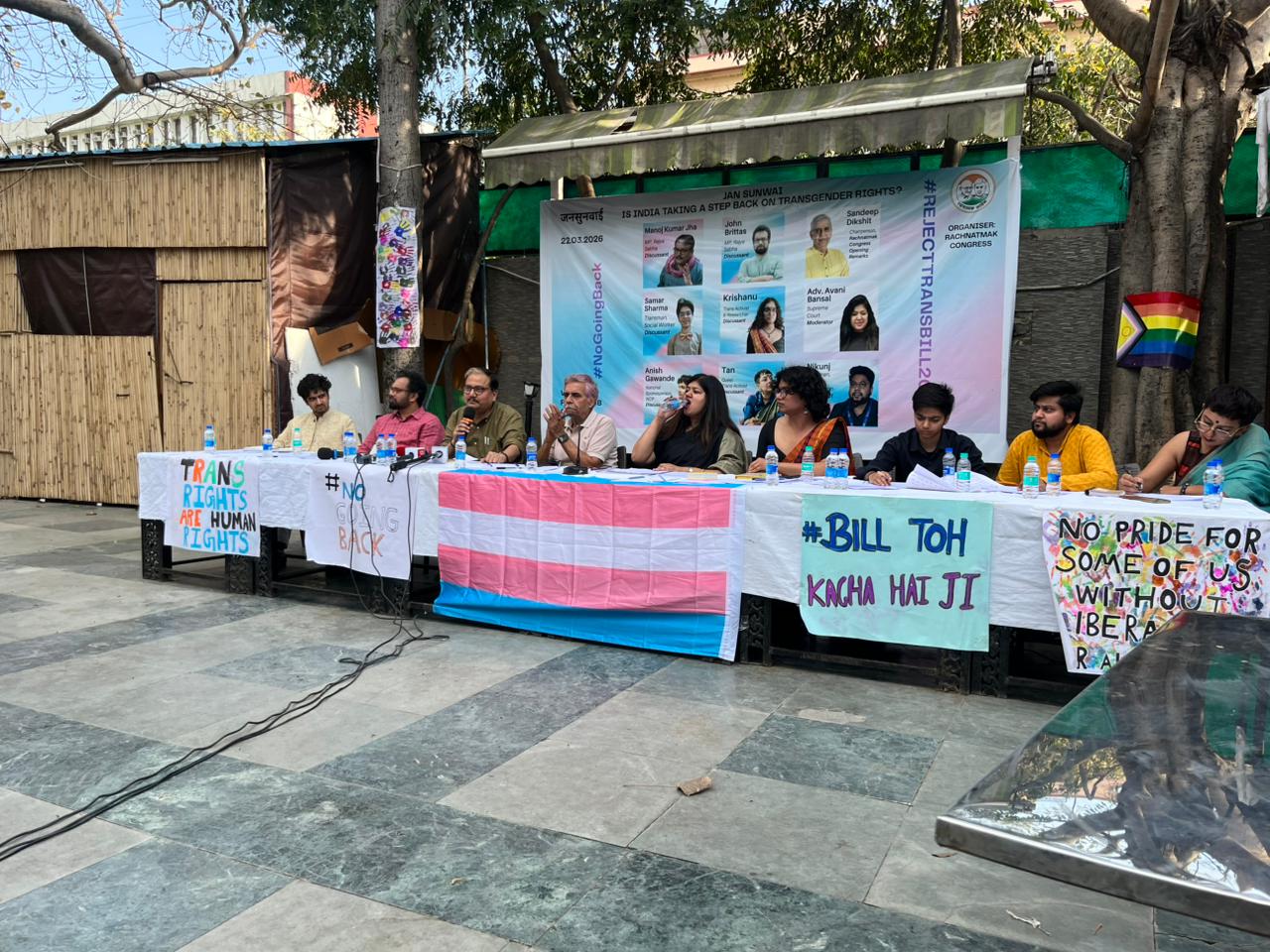
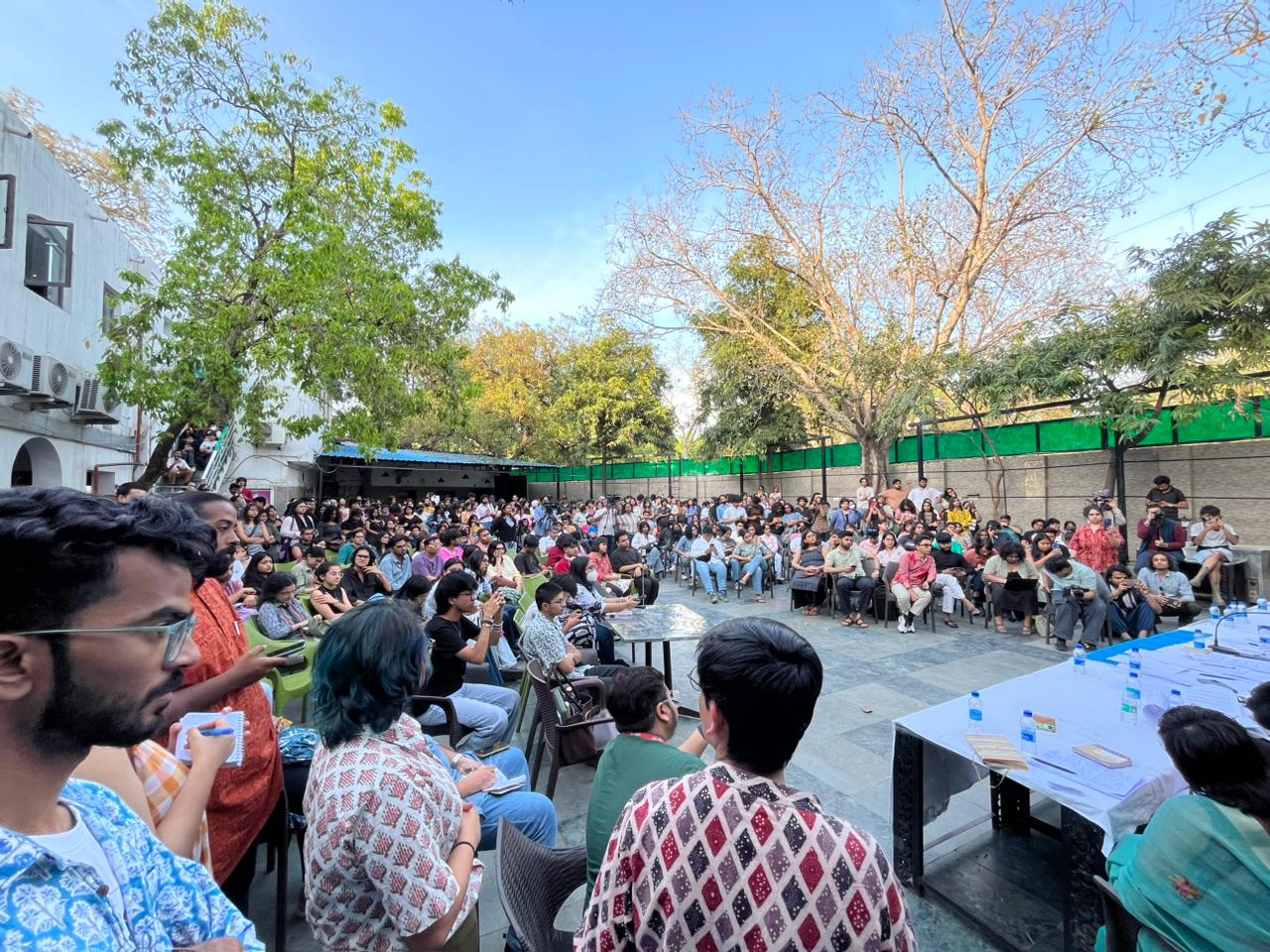
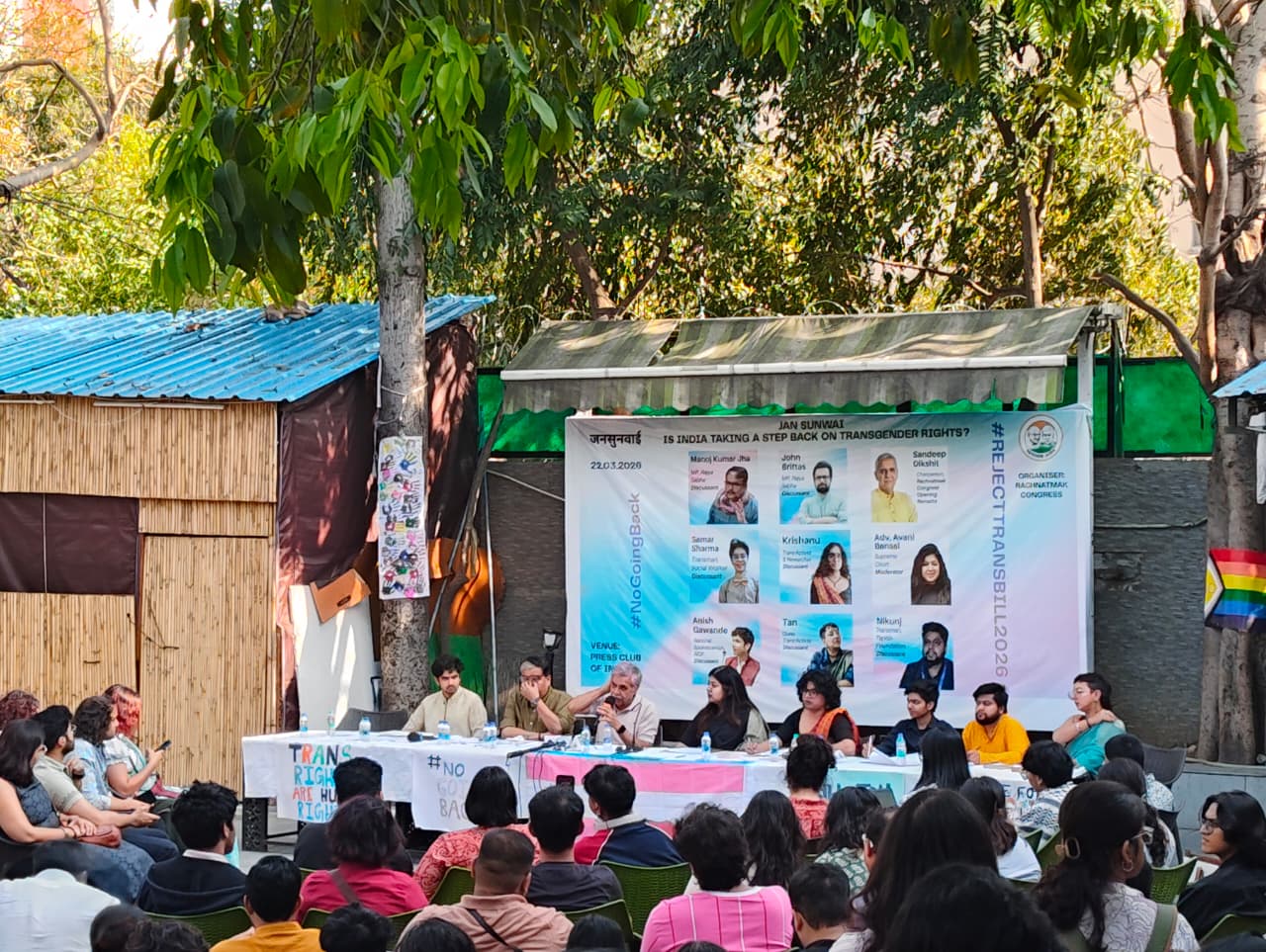
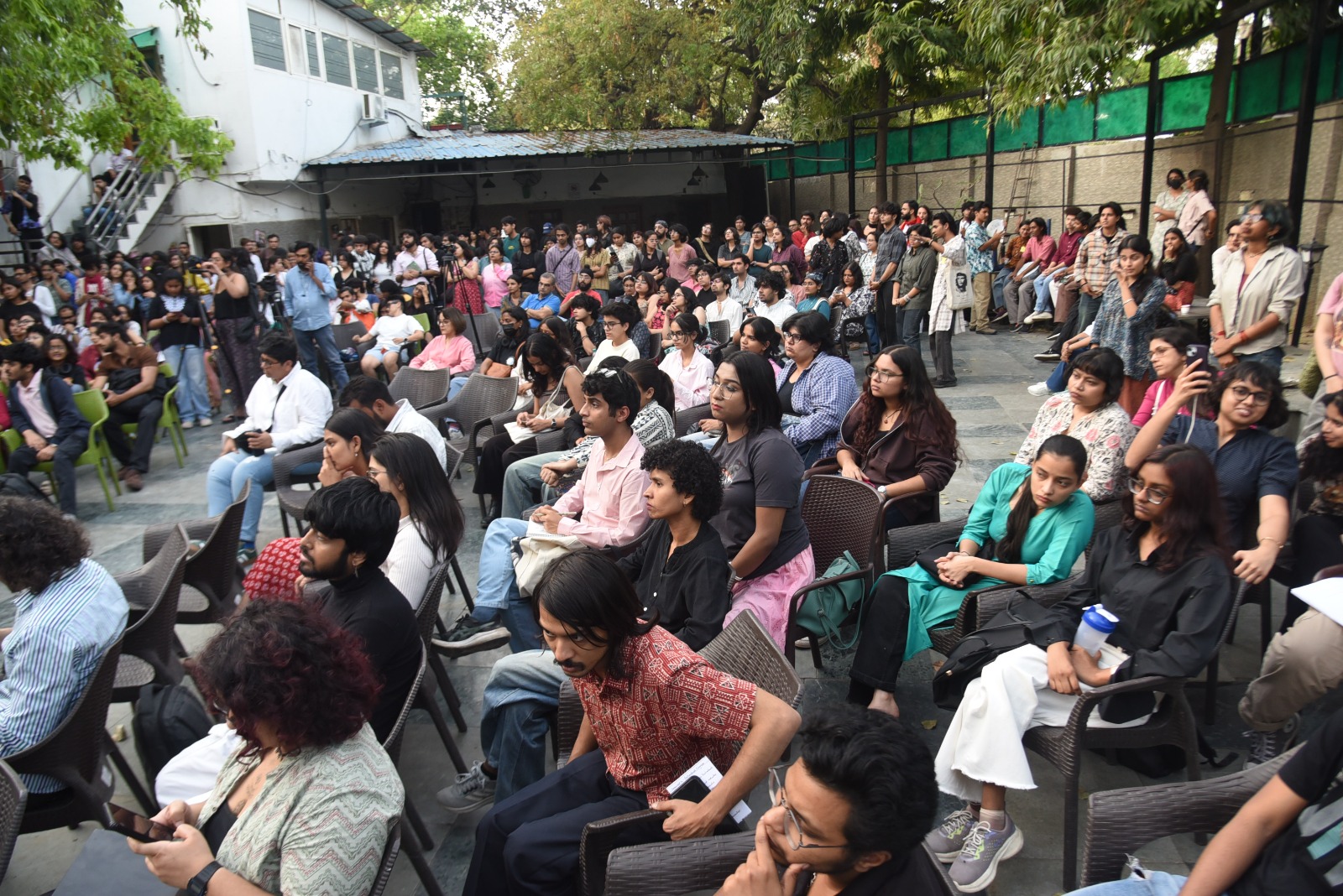
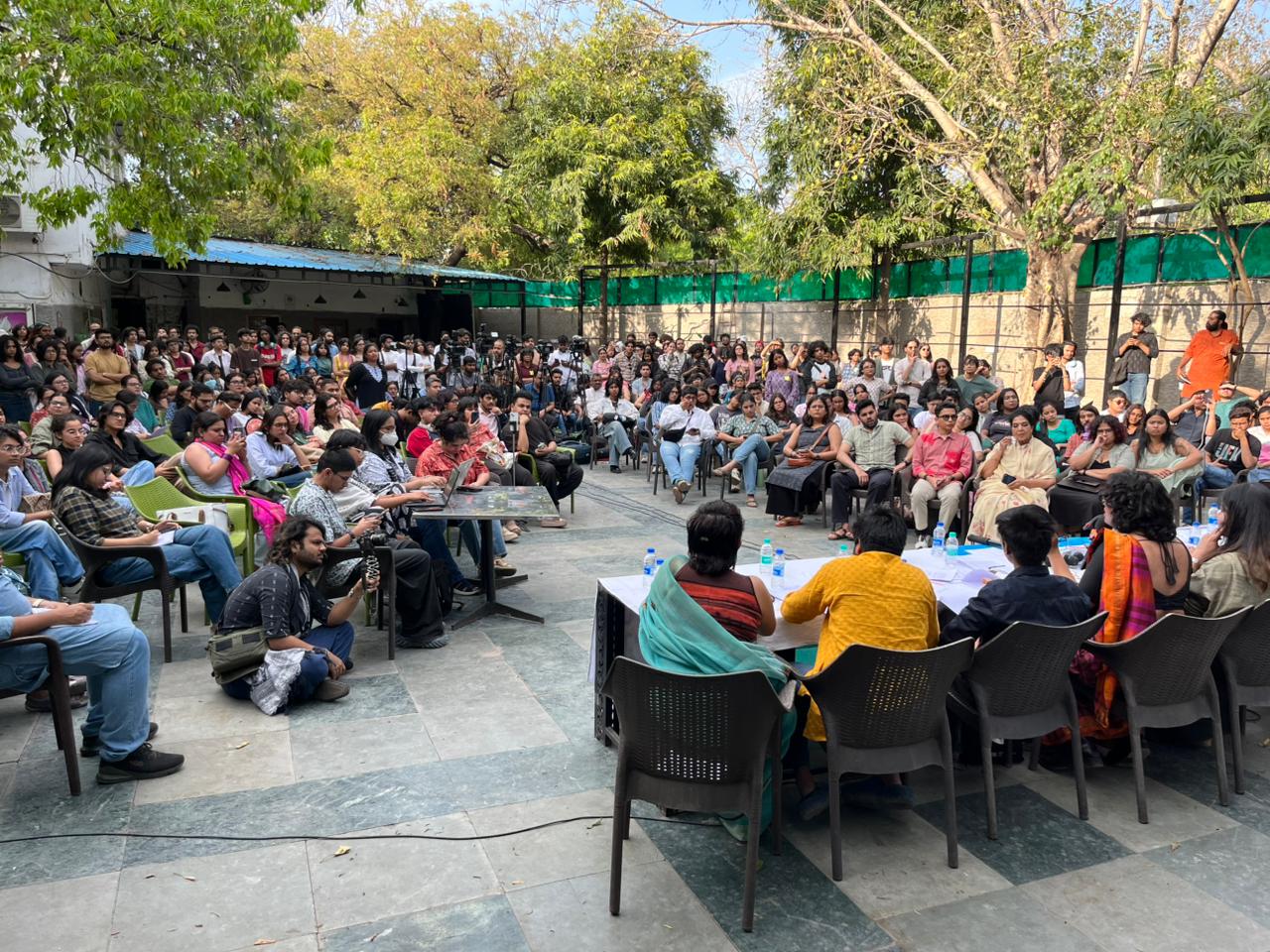
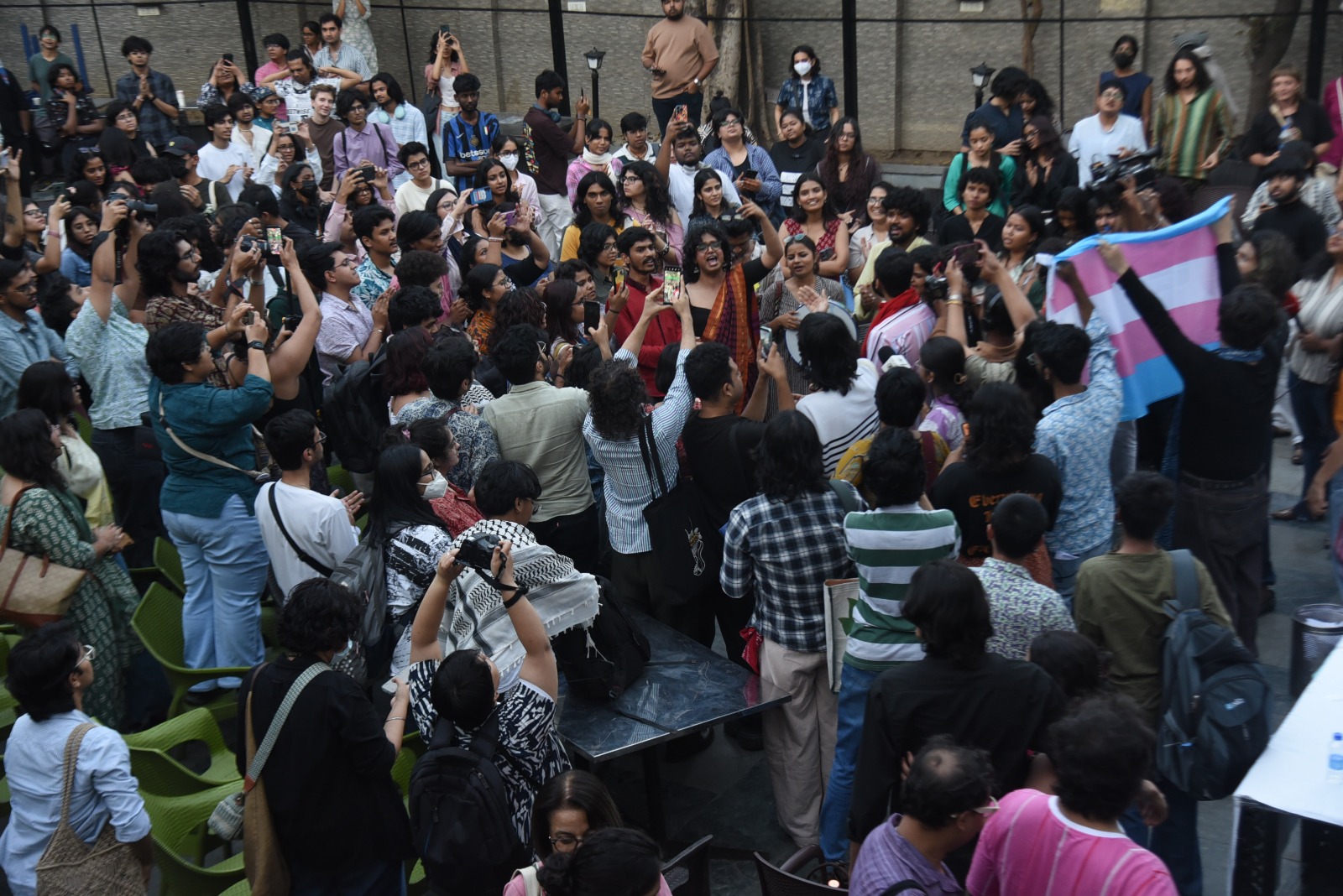
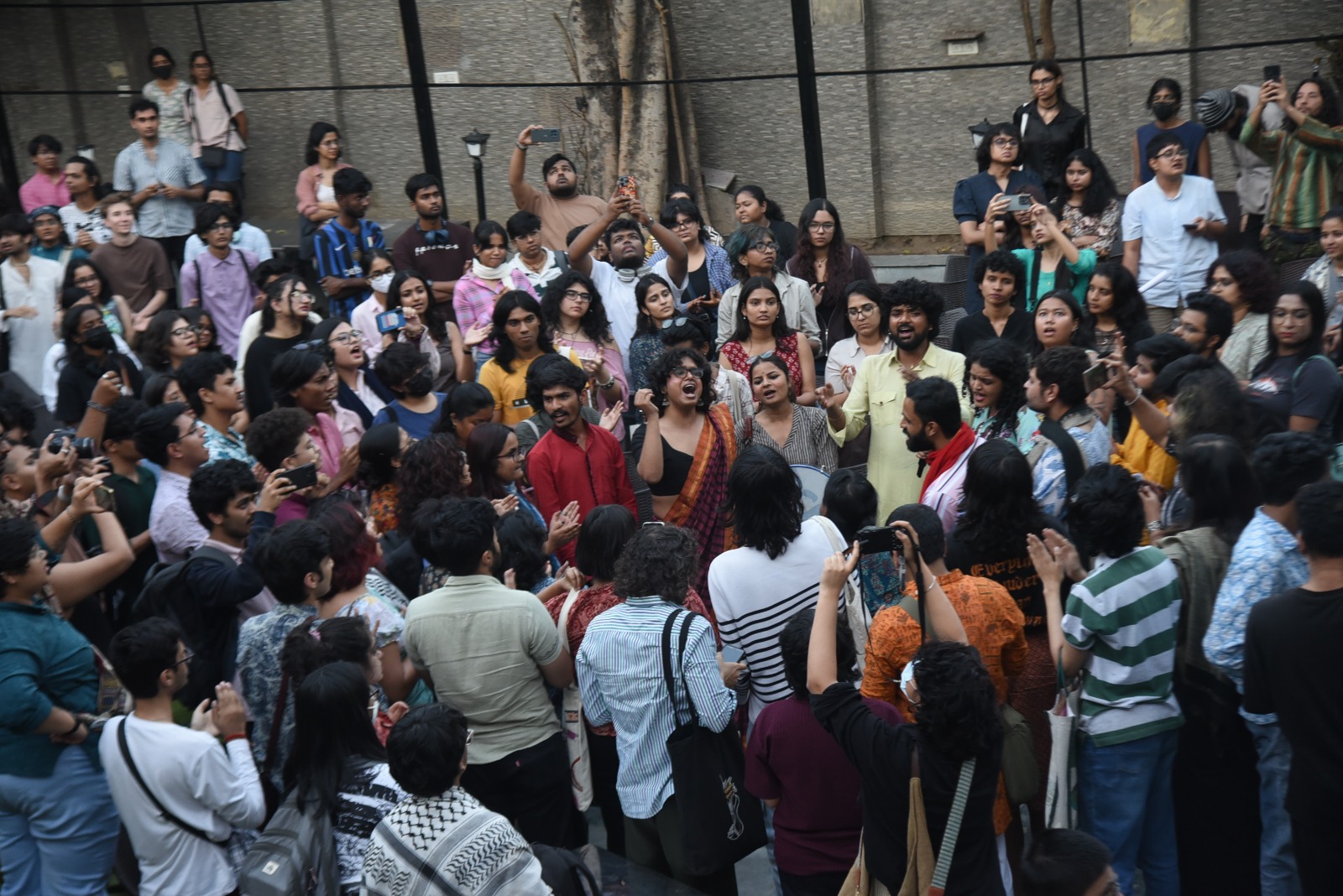
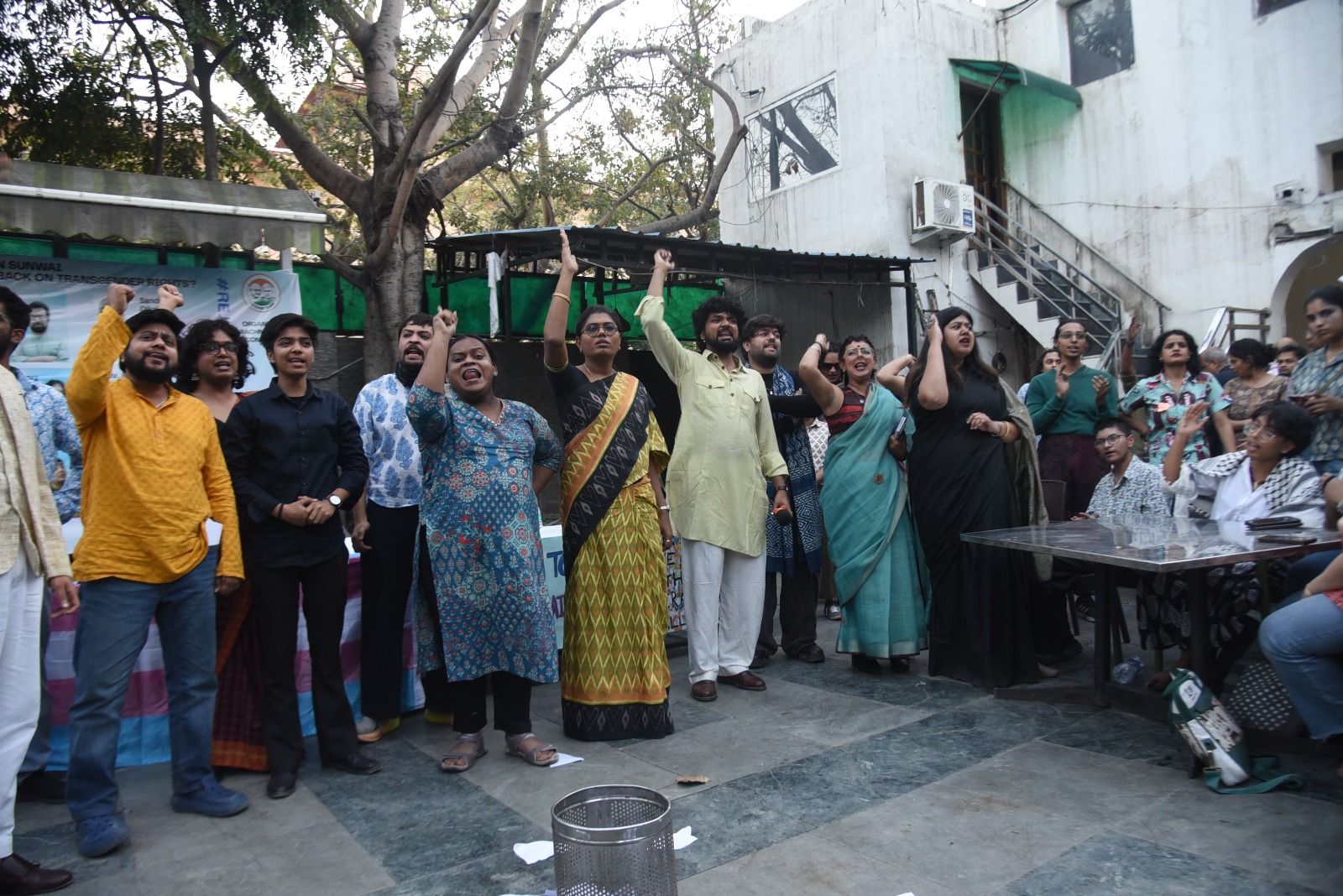
In response to concerns raised by LGBTQIA+ groups regarding the proposed amendments, a Jan Sunwai was held at the Press Club of India, New Delhi, on March 22, 2026. The panel discussion, moderated by Supreme Court Advocate Avani Bansal, engaged with the question, “Is India taking a step back on transgender rights?”
The panel brought together transgender activists Samar Sharma, Krishanu, Tan, Nikunj Jain, and Grace Banu; Members of Parliament Manoj Kumar Jha, John Brittas and Renuka Chowdhury; Chairperson of Rachnatmak Congress, Sandeep Dikshit; and National Spokesperson of the NCP, Anish Gawande, reflecting a convergence of concerns from both the community and the opposition INDIA alliance.
Setting the tone for the discussion, Chairperson of Rachnatmak Congress Sandeep Dikshit called for wider consultation, stating, “We should try to send this Bill to a Standing Committee for review so that the voices of the public can be incorporated.”
He went on to reflect on the broader climate, observing that “the humanity and citizenship of people of this country are being relentlessly attacked these days.”
On the question of identity, he said, “Any person, the way he is, his identity, his preferences, his similarity and dissimilarity, ought to be respected,” adding that “standing by him, his identity, is the primary duty of the government and the administration.”
In 2014, the Hon’ble Supreme Court of India, in NALSA v. Union of India, recognised that gender identity is not something that flows from external validation. It is not granted by the State, nor does it depend on medical certification. It is intrinsic, rooted in an individual’s self-perception. Simply put, “identity” is personal. The Court did not invent this truth; it acknowledged it. In doing so, it placed dignity at the centre of identity. The new Bill threatens to uproot that.
Emphasising the lived realities at stake, transgender activist Samar Sharma remarked, “I am trans. What happens to my life, my identity? Do society, doctors, and the government have the right to decide my identity?”
For transgender persons across India, this was more than a judicial pronouncement. It was the first time that the law recognised them for who they are. It was our Constitution in action, responding to the lived realities of millions of Indians. The judgment established in clear terms that the State’s role was not to verify identity, but to respect it. The present Bill appears to stray from this position.
Member of Parliament Manoj Kumar Jha opened with a sharp observation, “This government is not afraid of parliamentarians; it is afraid of the population.”
On the role of the State, Manoj Kumar Jha said, “Government is not supposed to gatekeep identity. It has chosen a majoritarian morality.”
Manoj Kumar Jha also called for collective action, stating, “Now is the time to join our fights together through a concerted strategy within Parliament as well as outside it.”
This constitutional trajectory was further developed in 2017, when the Supreme Court in Justice K.S. Puttaswamy v. Union of India articulated privacy not as a narrow right to secrecy, but as a broader guarantee of autonomy under Article 21. Under this framework, the Court explicitly noted sexual orientation and gender identity as essential attributes of personhood. But the new Trans Bill departs from this understanding.
Questioning the constitutional validity of the proposed amendments, NCP National Spokesperson Anish Gawande stated that they are “illegal and unconstitutional.” He further argued that the Bill “goes against NALSA, goes against self-identification,” and is “against the dignity and self-respect of transgender persons.”
Emphasising concerns around dignity and safety, transgender activist Nikunj Jain stated, “We just want the freedom to express our identity in a manner comfortable to us, as provided by the Constitution.” Nikunj added, “We live in constant fear,” and questioned, “If this Bill comes, where will my existence go?”
The Transgender Persons (Protection of Rights) Act, 2019, was a step forward after extensive deliberations and stakeholder consultations to embody a framework of protection of these rights for transgender people. It must be within this context that the new Bill must be understood, as a step backwards in time and against an established constitutional direction.
Criticising the ideological direction of the proposed amendments, Member of Parliament John Brittas stated, “This government wants to have a Brahminical Hindutva view of the world.” He added, “We need to protect the diversity of this country.”
At first glance, the Bill presents itself as an attempt to refine an existing framework. But beneath its procedural language lies a fundamental shift: the removal of the principle of self-identification. This is not a minor adjustment. It is a reversal!
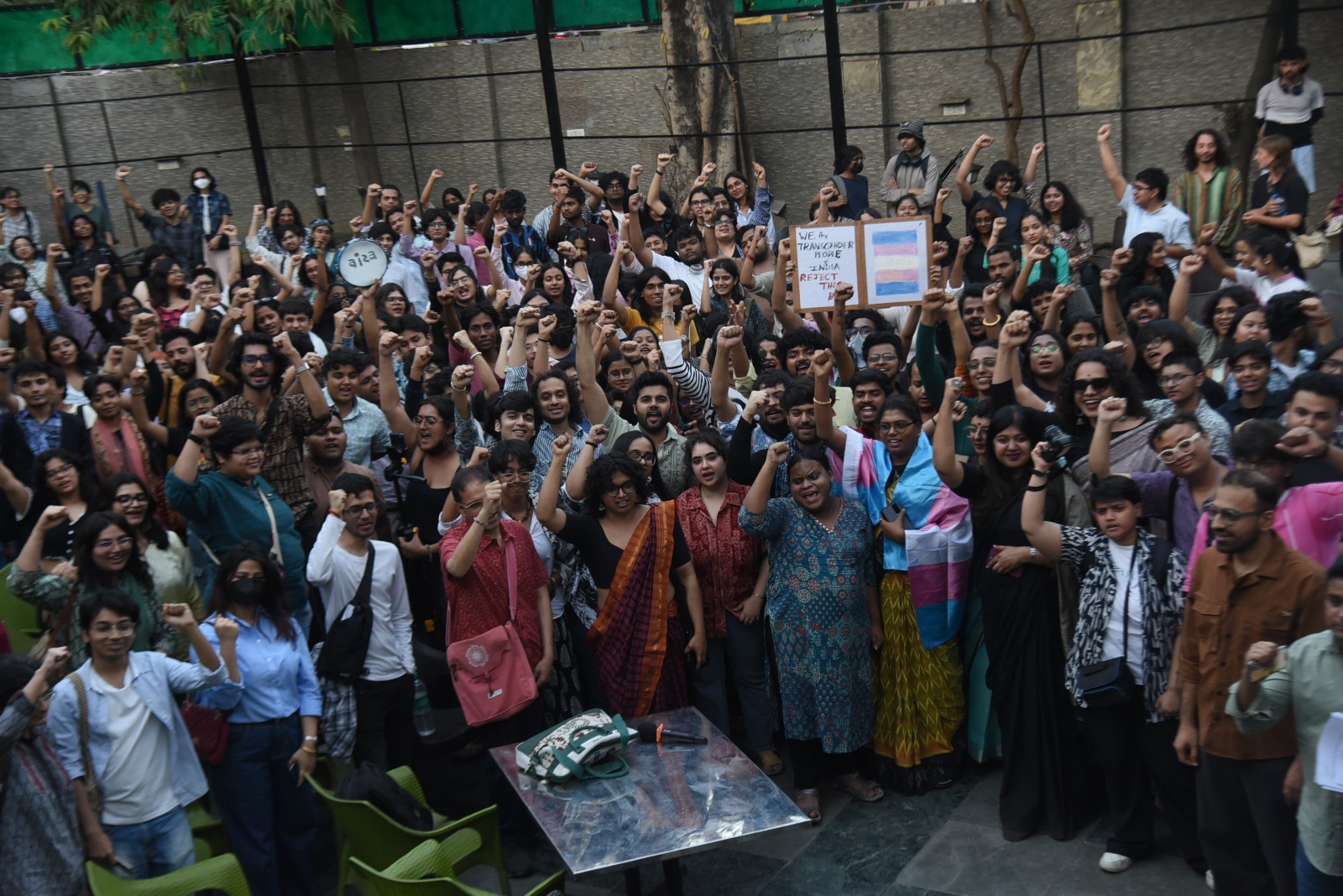
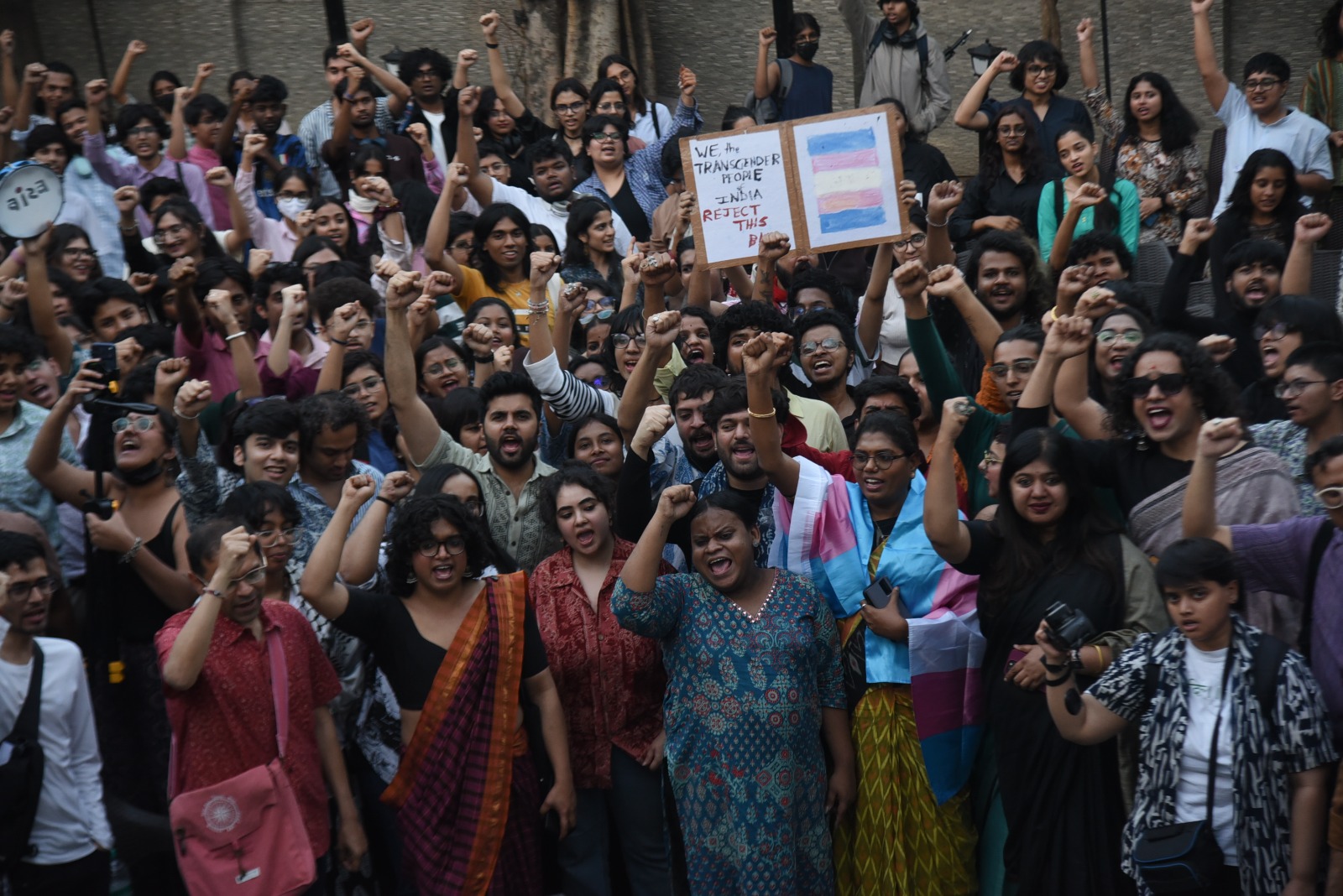
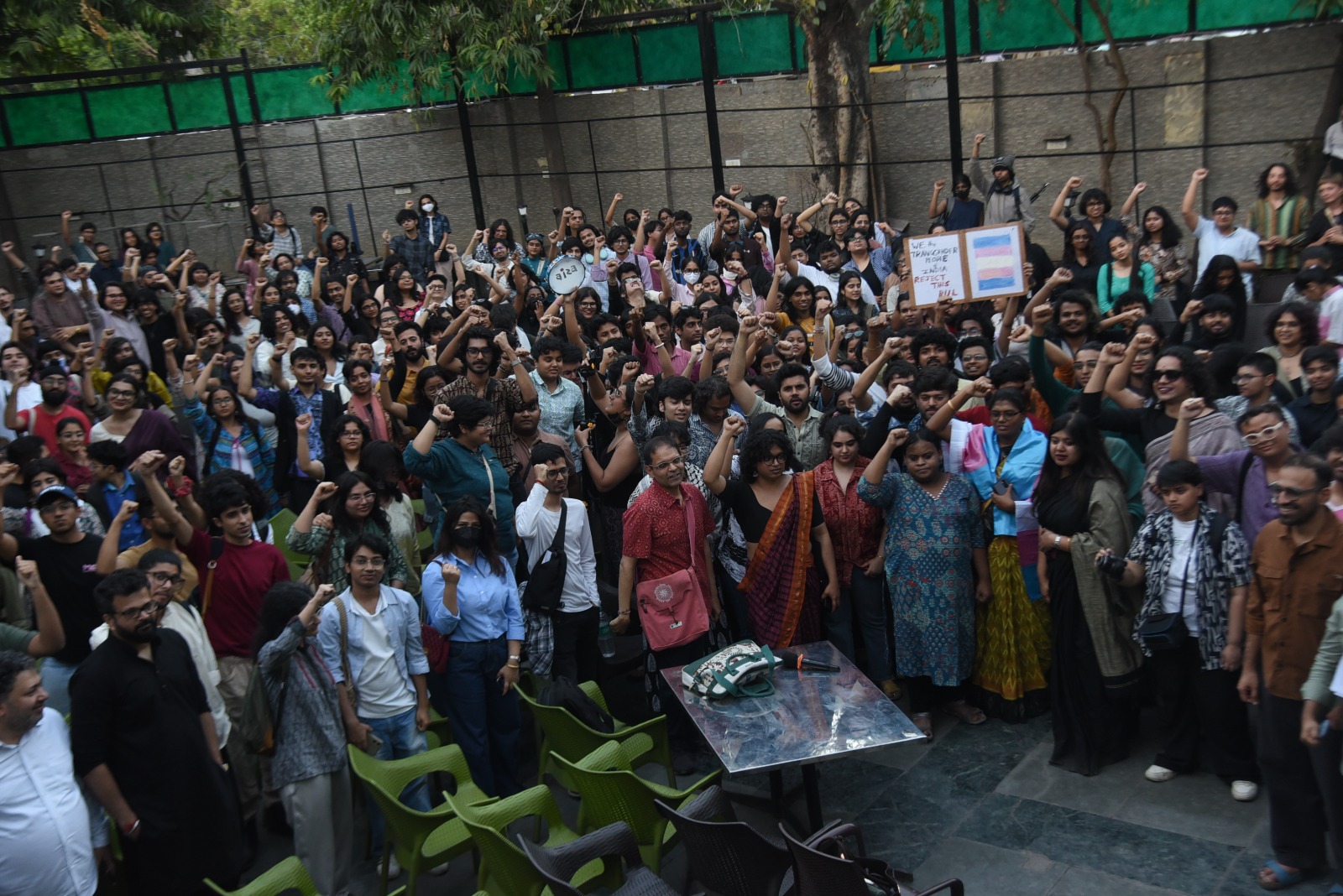
Under the proposed regime, identity is no longer anchored in self-perception. It becomes contingent upon external processes, medical evaluation and bureaucratic discretion. A transgender person must now navigate a system that requires them to submit to scrutiny before their identity is recognised, if at all.
Highlighting both resistance and the layered nature of identity, queer trans activist Tan stated, “We have fought, and we have won, and we will fight, and we will win again.”
Drawing attention to the marginalisation within the community, Tan added, “Non-binary people are a deprived class within a deprived class of people,” describing non-binariness as “someone who rejects the idea of being within a specific box.”
On the issue of intersectionality, Tan noted that “non-binariness is not restricted to the urban class… they are found in Muslims, in rural areas,” adding that “this government will not be able to take away the intersection of identities.”
Tan further remarked, “There has been no institutional support in ensuring the implementation of the 2019 policy, and you are already taking it away.”
The requirement of a medical board’s recommendation (implicitly following physical examination) before legal recognition can be granted suggests that identity must be authenticated through the body. It reintroduces a framework that the Supreme Court had consciously moved away from: one that conflates gender identity with biological determinations. This is not merely a legal inconsistency; it is a conceptual regression.
Gender identity, as recognised in constitutional jurisprudence, is not mere anatomy. It is not something that can be conclusively determined through medical observation. To insist otherwise is to ignore both lived experiences and established legal principles of this land.
Critiquing both the definitional framework and its implications, trans activist and researcher Krishanu stated that the Bill “excludes a number of populations but also conflates the idea that transgender persons and intersex persons can be similar or are similar,” adding that this “furthers the erasure that intersex persons anyway go through.”
Krishanu further argued that “it is trying to classify that only a certain class of transgender persons deserve rights.”
Pointing to gaps in implementation, Krishanu noted, “Only 37,000 transgender cards have been issued since the 2019 Act came into place. The people who have these cards currently also do not have many welfare schemes in the first place.”
The Bill, in the guise of modifying the 2019 Act, reorients its core by deleting Section 4(2), which guaranteed the “right to self-perceived gender identity” and restructuring Sections 6 and 7 to make “identification” a state business. The legislation here conflates gender identity with the caste identity that someone is born into, which can be verified by the state, or perhaps a diagnosis one needs to take medical assistance for, as can be implied from the omission of S. 2(i), S.2(k) and the new S.6(1) as per the Bill. It replaces an affidavit-based recognition system with a three-stage, State-controlled certification process. A newly introduced “authority” under Section 2(aa), a medical board headed by the Chief Medical Officer or District Chief Medical Officer, is proposed to be central in determining trans identity certified by the District Magistrate, which was issued based on a self-declaration affidavit alone, under the 2019 Act.
Condemning both the policy approach and broader societal attitudes, Member of Parliament Renuka Chowdhury stated, “This is a collective failure of government intelligence,” and added, “This is a deeply prejudiced society.”
Underscoring continued opposition, she said, “We will speak, we will fight. If we are not allowed to speak inside Parliament, we will raise our voices outside it.”
The definitional shift under the amended Section 2(k) narrows this to socio-cultural identities (hijra, kinner, aravani, jogta) and medically certified intersex variations, significantly limiting its purview from the 2019 Act, which recognised transgender persons, inclusive of trans men, trans women (with or without surgery) and non-binary identities along with them. This excludes a wide spectrum of gender identities that were previously recognised from legal recognition and protection of their rights. This, along with the deletion of the definition “person with intersex variations” under Section 2(i), is not a reform towards clarification; it is a contraction.
The amendments to Section 7 go further, by making post-surgery application for change of gender mandatory (“shall” instead of “may”) and introducing Section 7(1A), the Bill requires medical institutions to report gender-affirming procedures to both the District Magistrate and the medical authority. This creates a formal mechanism of State surveillance into deeply personal decisions, raising concerns of privacy and liberty, which the Act was aimed at protecting.
While the Bill makes a seemingly positive move in expanding Section 18 with stringent penal provisions protecting the trans community, the new offences it introduces under clauses (e) to (h), including criminalising acts of “allurement, deception, inducement, or undue influence”, for someone to assume a transgender identity. Appearing perfect on the surface, the stakeholders raise concern that in the absence of clear definitions or empirical grounding, such provisions risk being weaponised against families, community networks, healthcare providers and traditional support systems like hijra jamaats if interpreted broadly in future.
Highlighting both resilience and systemic marginalisation, trans activist Grace Banu stated, “We are in a heartbreaking situation, but we have the Constitution in our hands, and we are fighting everywhere in the country.”
Drawing attention to the lived realities of the community, Grace added, “We celebrate Independence Day, but my community still does begging and sex work, facing domestic violence in their families.”
The government argues these reforms are aimed at identifying the “genuine beneficiaries” as it assumes people may be deceiving the government into living a life at the margins with discriminations and prejudices of all kinds to benefit from this Act. Available data suggests otherwise: only about 32,448 transgender certificates were issued through the national portal; approximately 1.3% of the 4.88 lakh transgender persons recorded in the 2011 Census. Welfare allocations averaging ₹70 crore annually by the Ministry of Social Justice and Empowerment saw only about 11% utilisation over five years. The issue, clearly, has not been misuse or overreach; it has been access and implementation. While the reform should’ve added to the employment, education, representation and healthcare, it took the basis of it all, legal recognition, against the constitution and against the law laid by the Apex court of this country.
Advocate Avani Bansal steered the discussion by asking, “Are we regulating access to benefits or regulating identity itself? And is the narrative of misuse supported by evidence, or driven by perception?”
The stage is now tilted so high that it casts a shadow upon those whom it was supposed to uplift. The question has now shifted back from protection to recognition.
For anyone who has ever lived the realities of resilience, in a system that is determined to ignore your being and your will to be exactly who you are, its criticism isn’t defiance; it’s derivation of what’s due to the people who built it.
Resist what resists mutual trust, support and kindness; through times and through tides, at all times. We owe it to what we build our truth and the room for the truth of everyone else.
