

By Anusha Subramanian
How the mountains became a classroom for resilience, patience, and self-belief.
At nine, most children measure their year in school terms and birthday parties. Swakriti Insan measures hers in base camps.
Over the past three years, the young trekker from Delhi has quietly built an unusual relationship with the mountains. Annapurna Base Camp, Langtang Valley and Tserko Ri, and Everest Base Camp were not milestones to post about, but journeys that taught her endurance, patience, and how to stay steady on changing terrain.
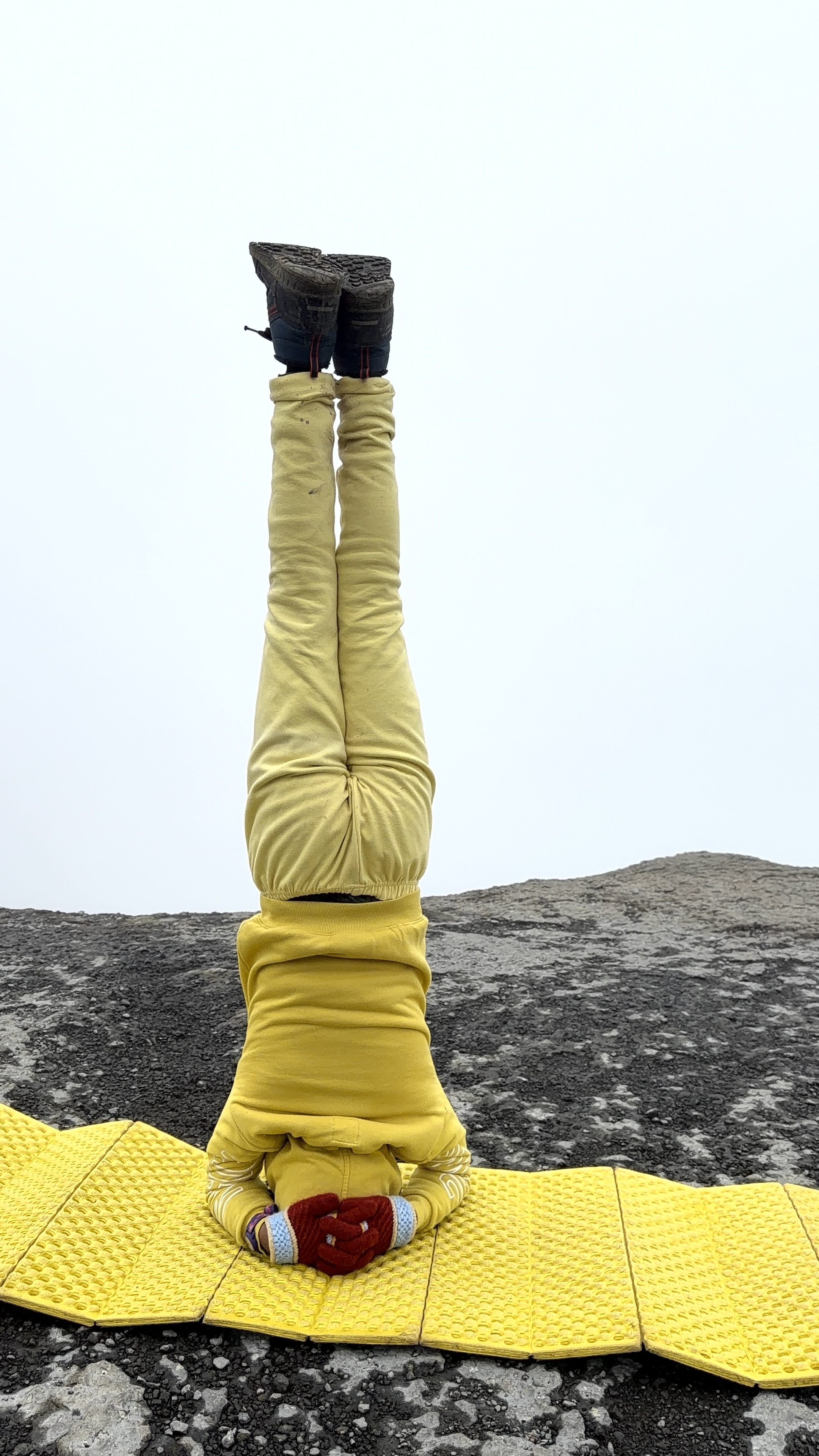
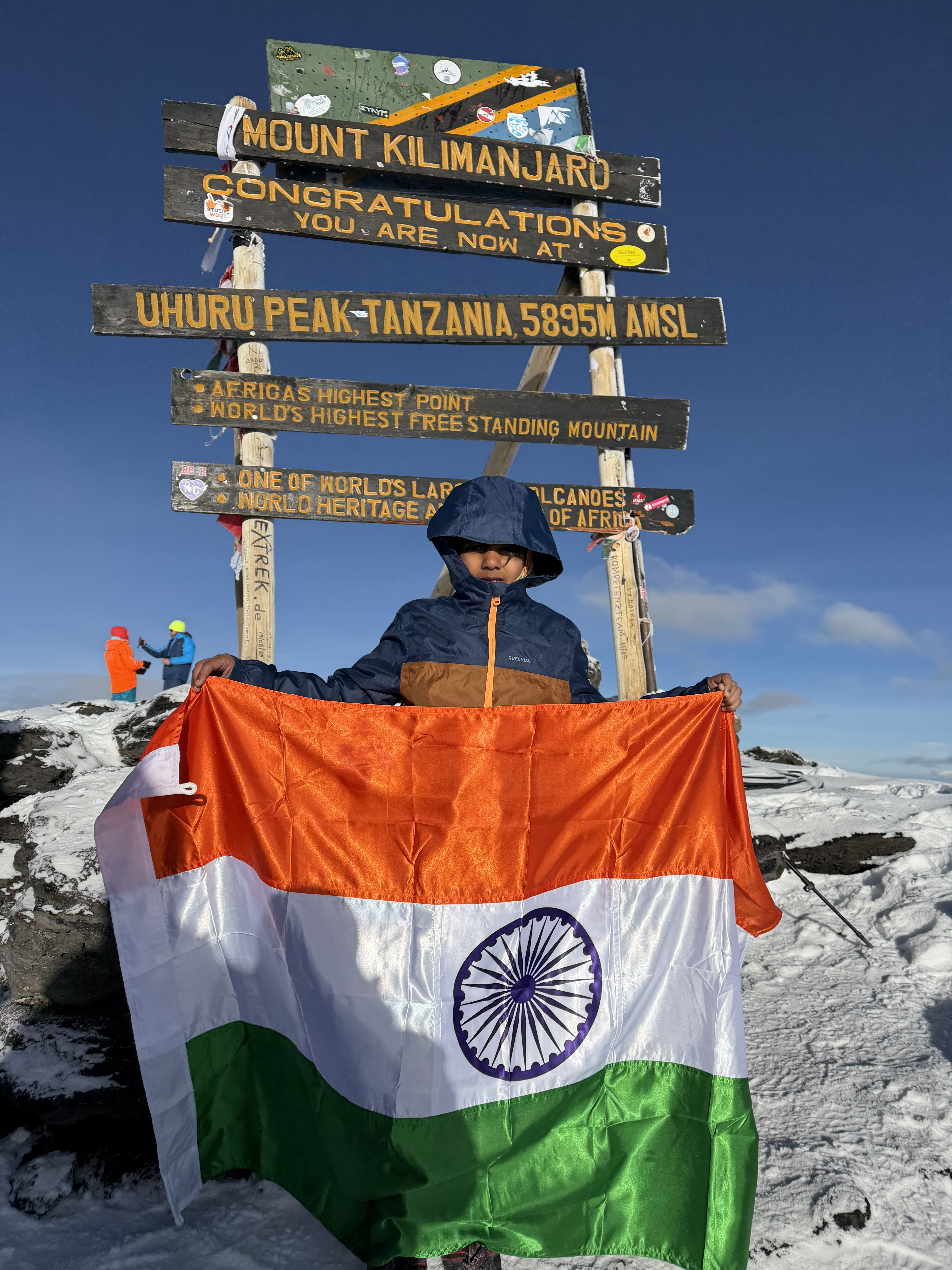
Earlier this year, that learning brought her to the summit of Mount Kilimanjaro, Africa’s highest peak and the world’s tallest free standing mountain at 5,895 metres above sea level. She climbed it via the Lemosho Route in seven patient days.
She may be among the youngest Indians to stand on that summit, perhaps even setting a record. But the real significance of the journey lies elsewhere, in what the mountains are quietly building within her.
That approach, her father says, has always been intentional.
“As parents, we have always supported her in whatever she chooses to do. We encourage her to take one step at a time and focus on consistency rather than rushing to achieve something quickly. Effort, training and patience matter more. We never force her or put pressure on her. The idea is simply to help her grow and enjoy the journey,” says Krishan Insan.
Learning Discomfort Early
Mountains do not adjust for age. They respond to preparation, patience, and awareness.
For Swakriti, Kilimanjaro meant seven nights in a tent, her first time sleeping outdoors for that long, some of them in sub-zero temperatures. Sleep came in fragments and fatigue lingered through the long hiking days.
High altitude trekking is not only about endurance. It teaches awareness. Her oxygen levels were checked daily, hydration monitored, and symptoms observed. Slowly, she began learning to listen to her body and recognise the difference between normal tiredness and warning signs.
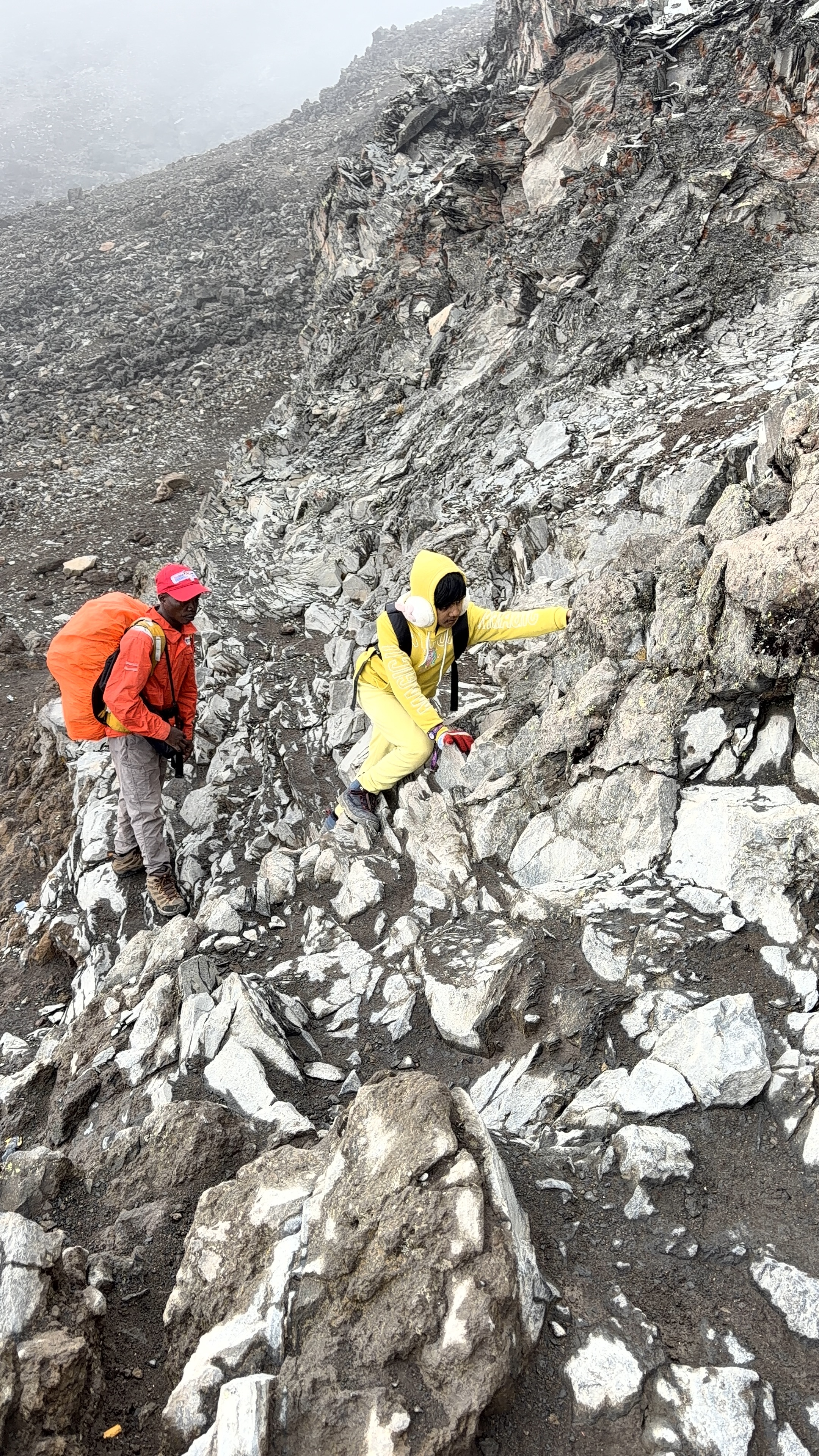
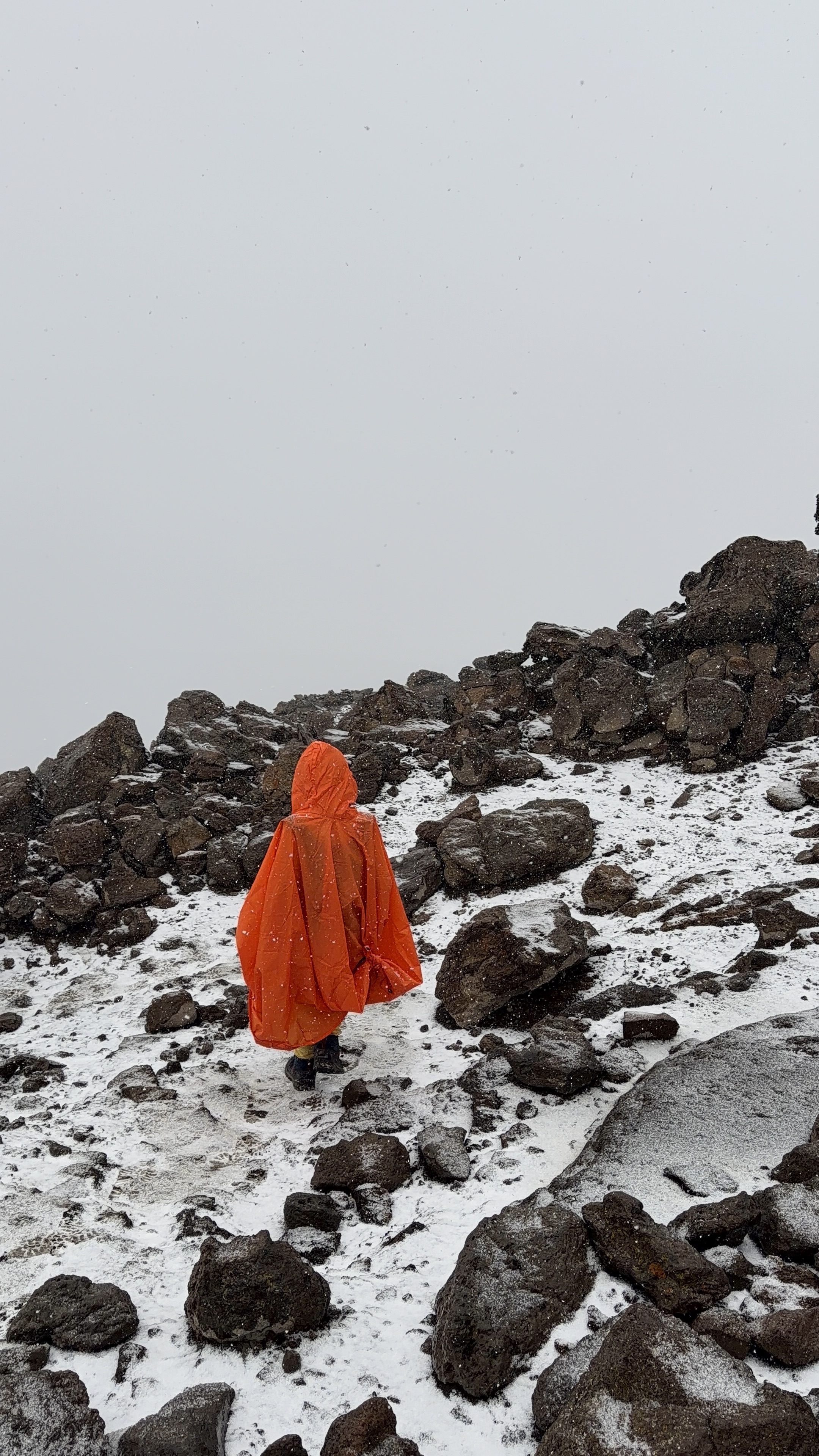
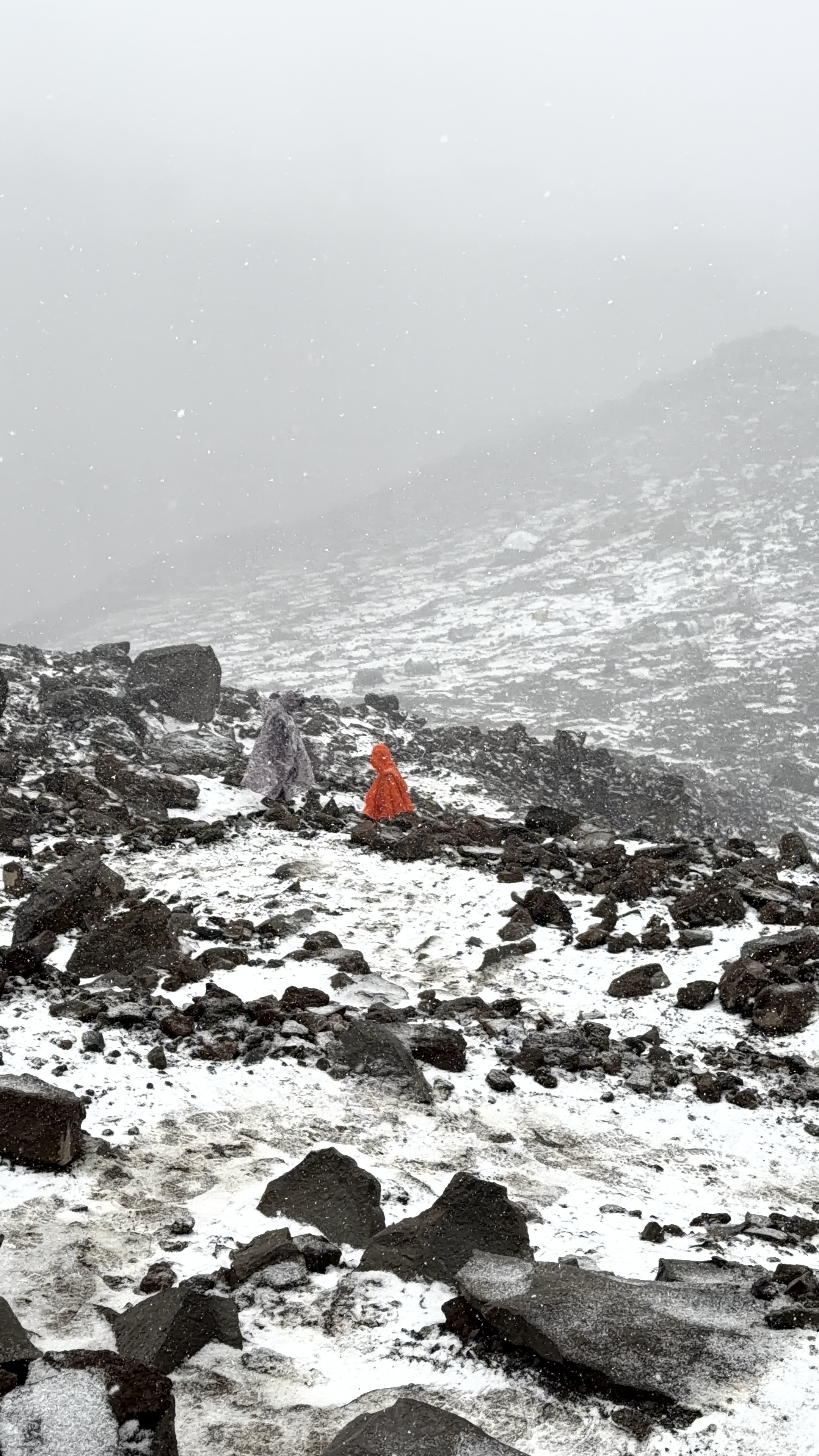
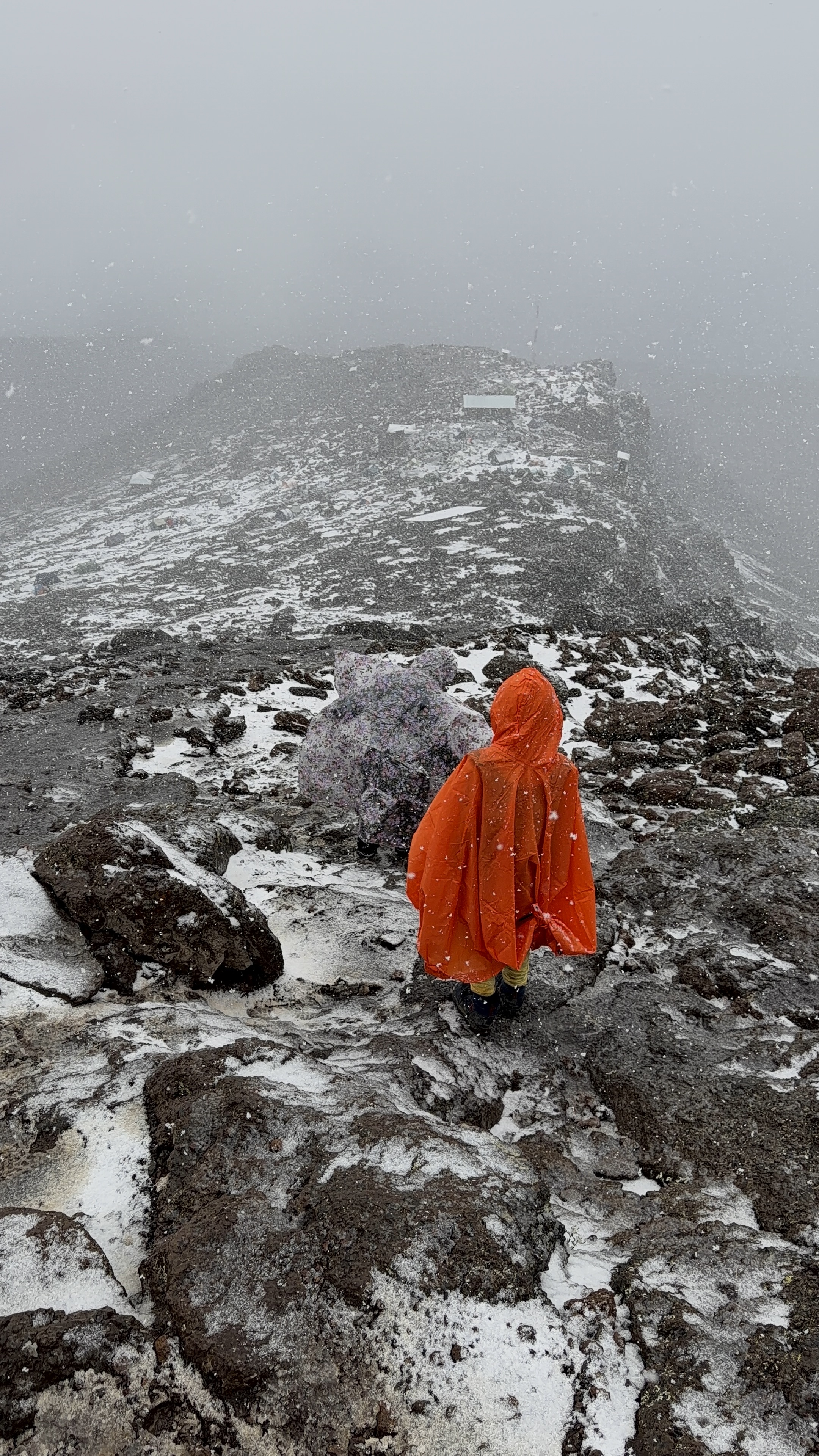
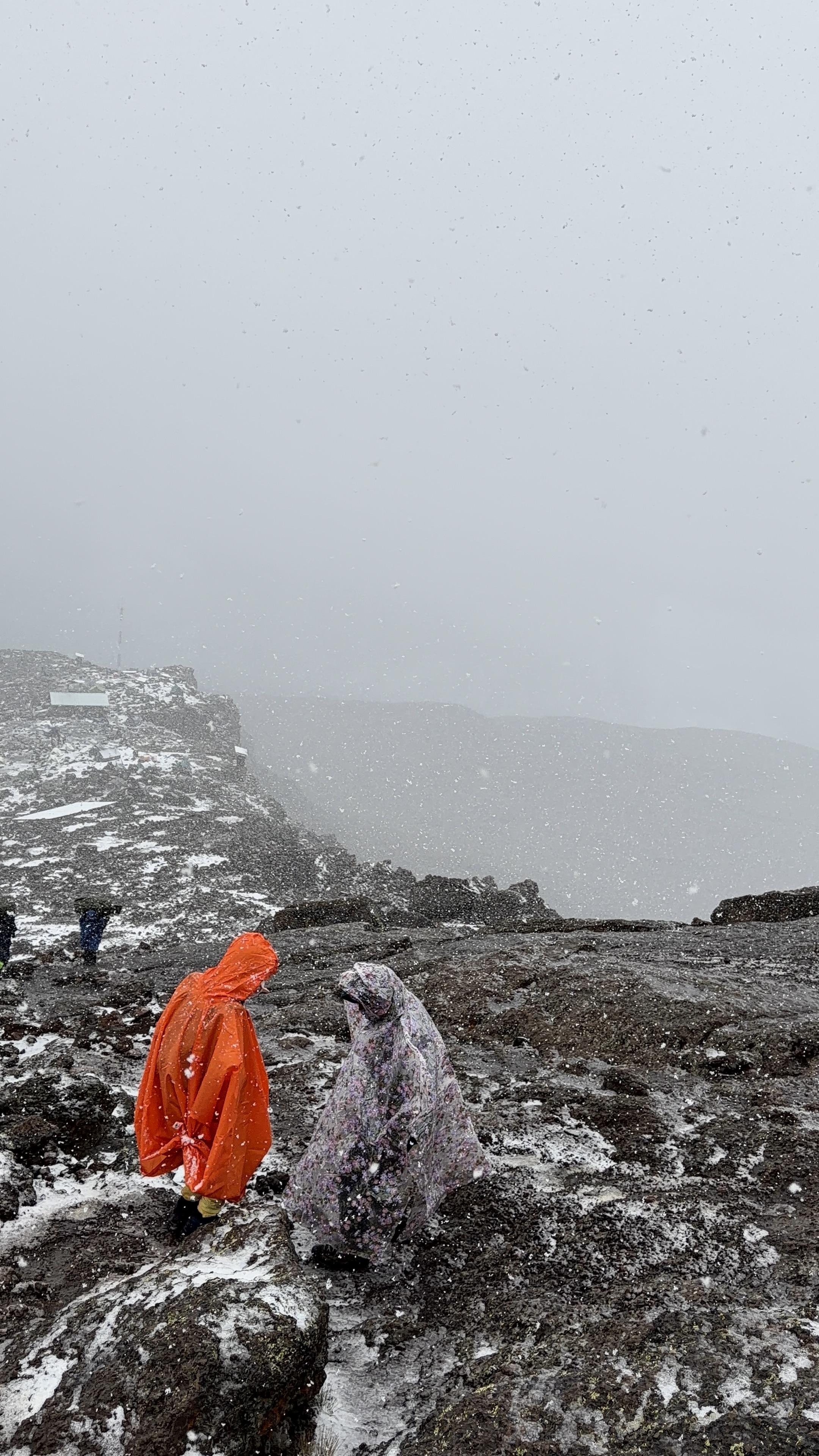
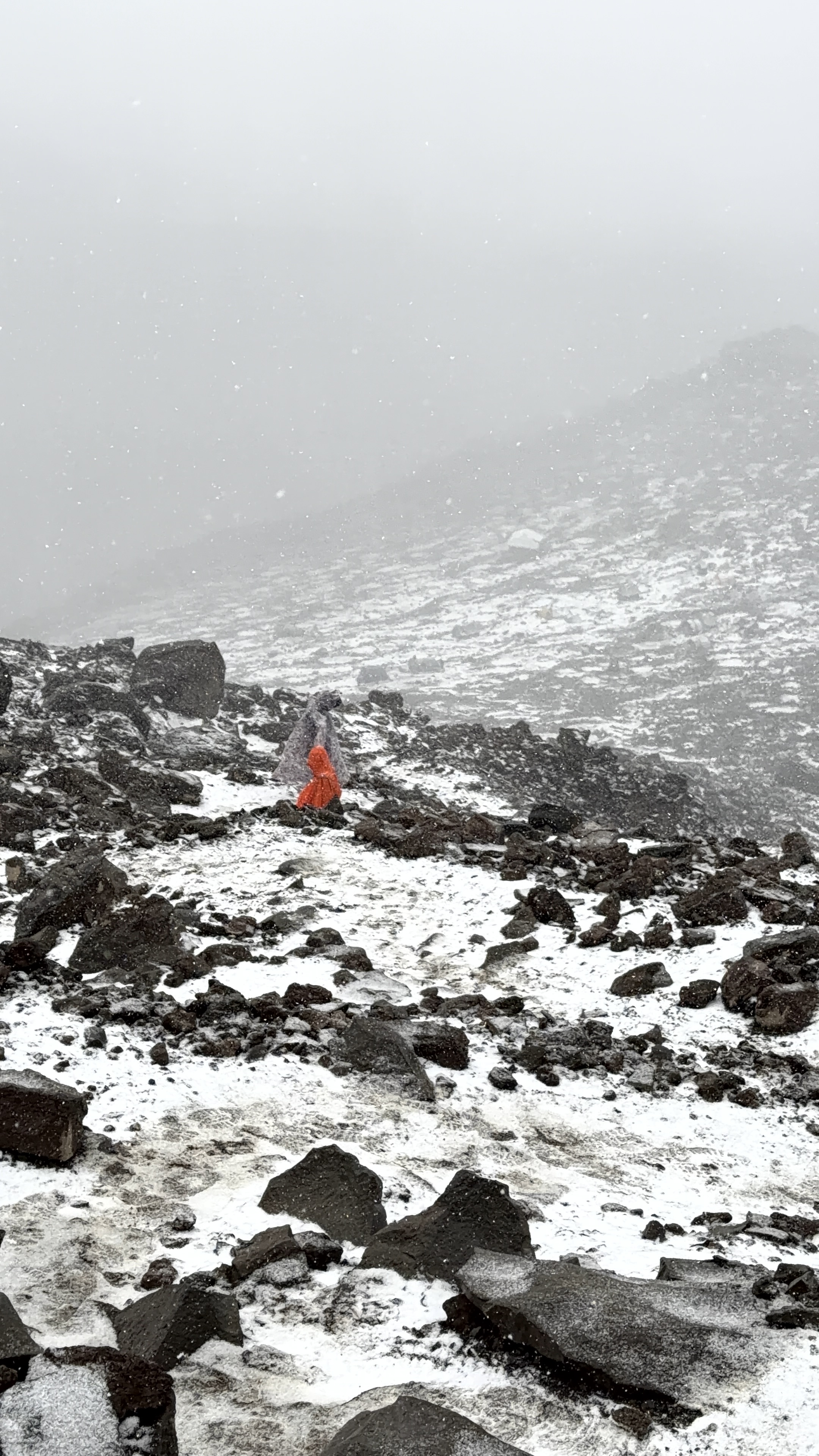
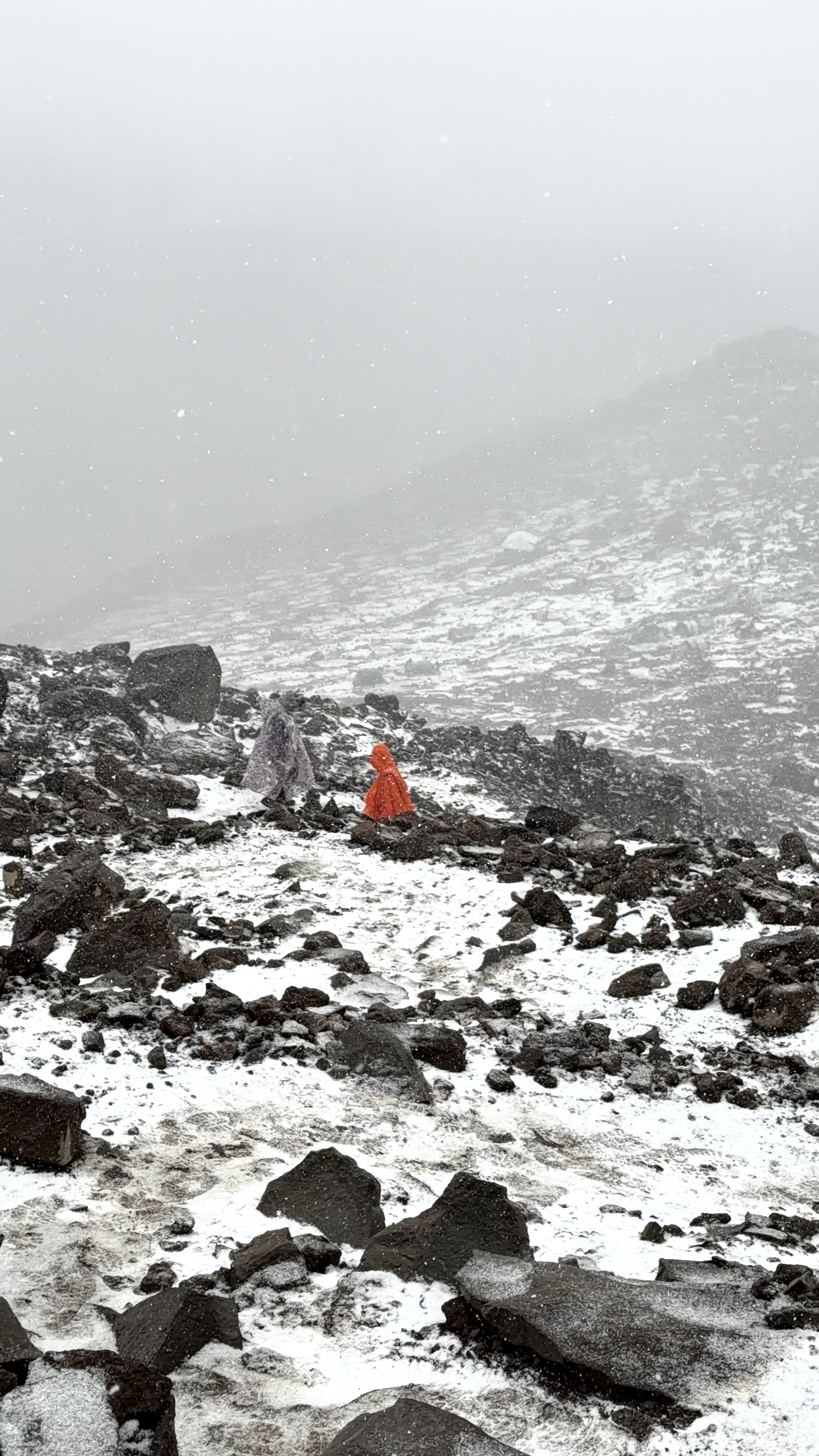
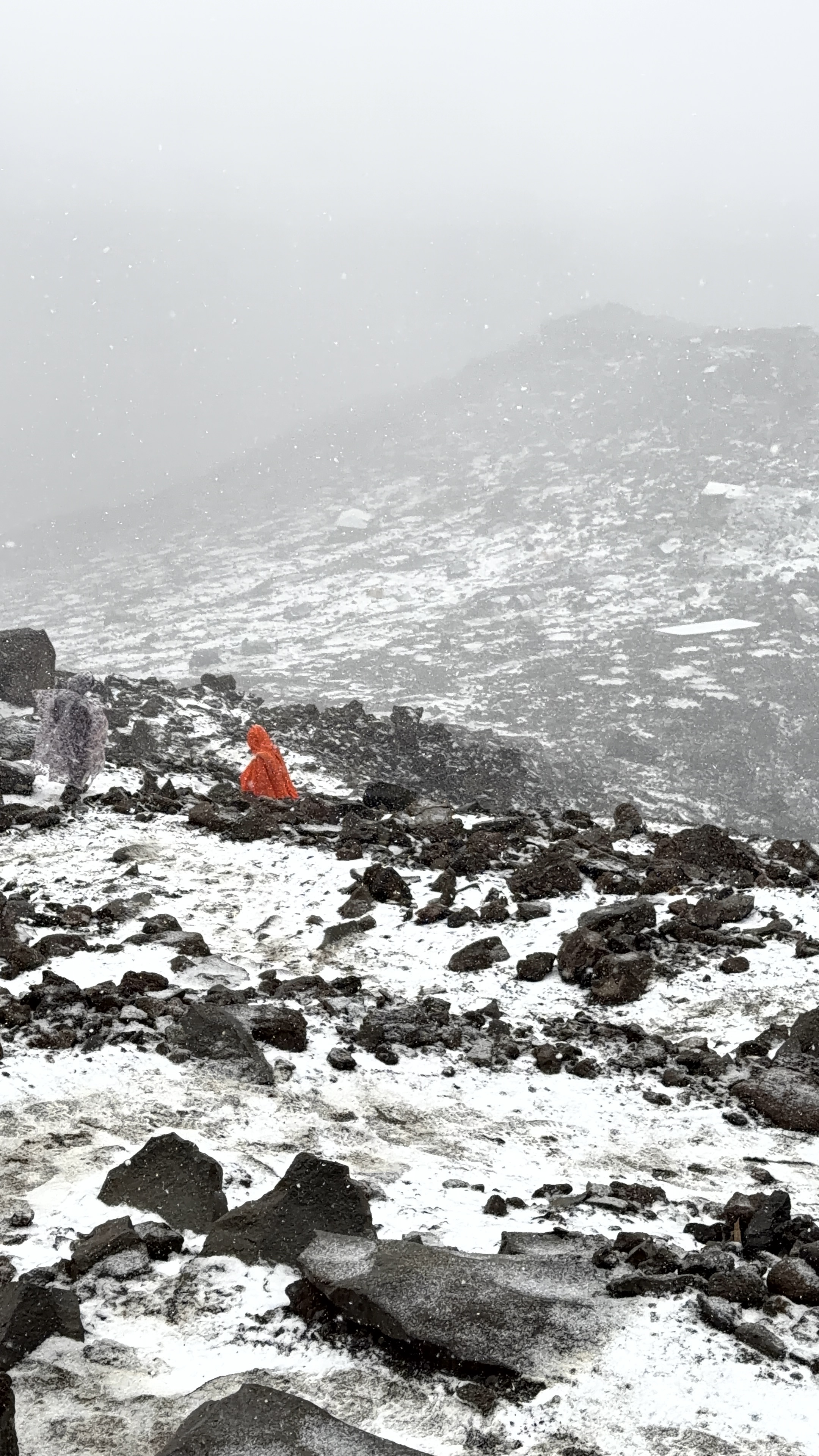
Her father, who accompanied her, watched those lessons unfold closely. “On the trail my role was to constantly observe and guide,” says Krishan Insan. “The mountains teach discipline and awareness. She is learning to respect limits and stay calm in difficult situations.”
These are not small lessons. They build survival awareness, risk judgment, and calm decision making.
Early exposure to the outdoors does more than make children adventurous. It makes them capable, confident in uncertain situations, and responsible for their own safety and that of others.
Twenty Minutes That Felt Endless
Summit night on Kilimanjaro begins long before sunrise. Swakriti started her climb at 12:05 a.m. from Barafu Camp after barely five hours of sleep instead of the planned eight.
Under a cold, star filled sky, the team moved slowly through the dark. After nearly seven hours of climbing in freezing temperatures, she reached Stella Point at 6:30 a.m., with Uhuru Peak just twenty minutes away. But those twenty minutes felt like the hardest part of the climb.
“I was too tired,” she recalls. “After seven hours in sub-zero temperatures, I felt drained. The last twenty minutes took everything.” Her father paused to assess the situation. Was it exhaustion or altitude sickness?
“We were monitoring her vitals closely,” Krishan says. “Once we were sure it was fatigue and not AMS, we decided to move forward slowly.”
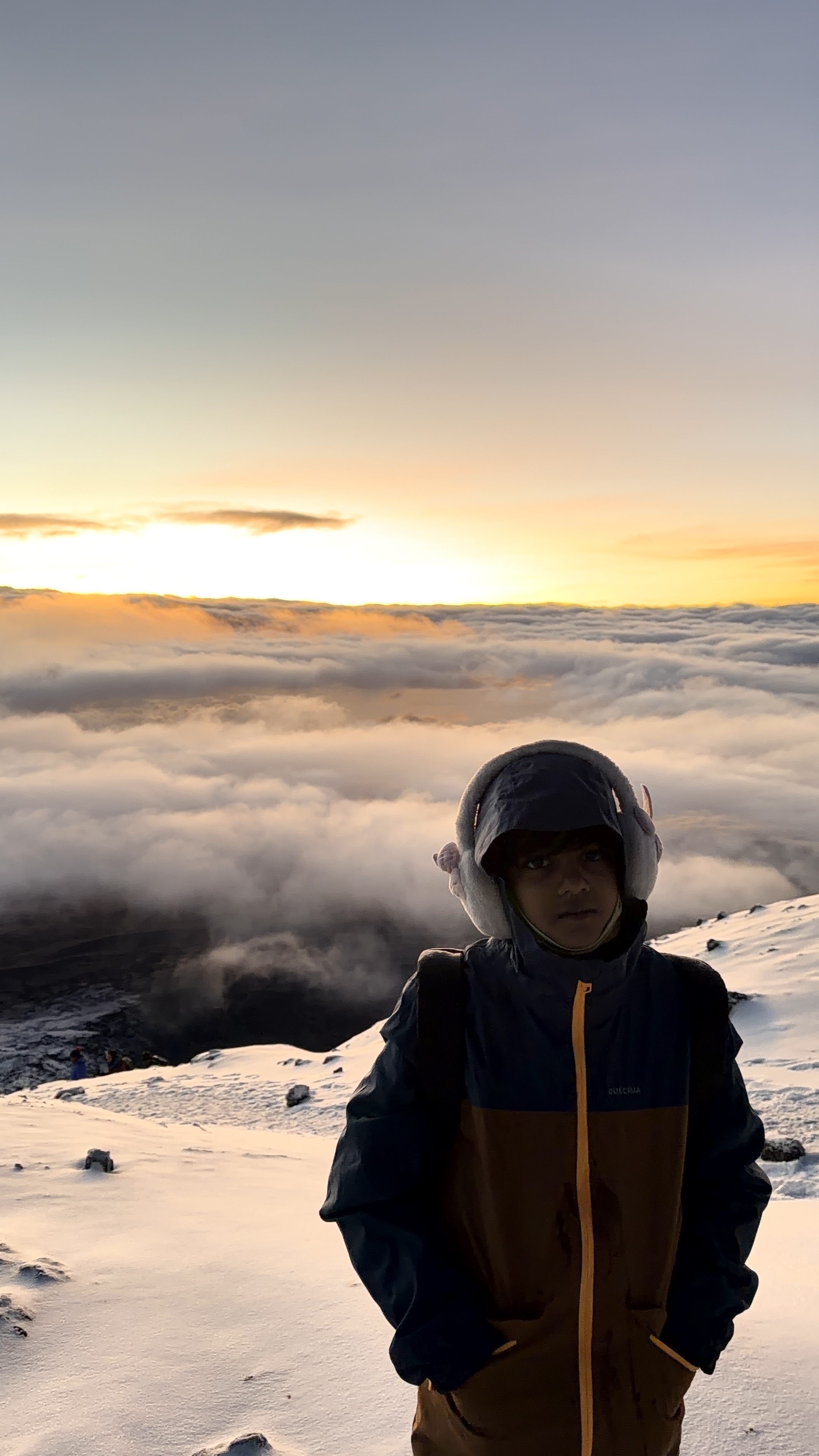
It took us an hour and at 7:30 a.m., they stood at the summit as the tricolour rose against the vast African sky. It was not just a victory of altitude, but of preparation, judgment, and calm decision making under pressure.
Pole Pole
The Lemosho Route on Kilimanjaro demands discipline. Guides repeat a simple Swahili phrase throughout the climb: pole pole, slowly slowly.
On earlier treks Swakriti had moved quickly. Annapurna Base Camp in three days, Everest Base Camp in under five. Kilimanjaro was different. This time the father daughter duo chose seven days for proper acclimatisation.
“I am building myself pole pole for bigger dreams,” she says. It is a lesson the mountains teach well. Resilience is not built in a rush. It is built slowly, step by step.
Outdoor experiences build physical stamina and endurance, but more importantly they cultivate mental strength, teaching young trekkers like Swakriti that nature rewards rhythm and patience rather than haste.
What the Outdoors Shapes in a Child
Children who spend time in nature gain more than physical strength. They build confidence through real challenges, learn to adapt when conditions change, and develop a deeper awareness of their surroundings and the environment. For Swakriti, the mountains were her classrooms.
“Outdoor activities help Swakriti stay focused and become more goal oriented,” says her father. “They teach her to embrace challenges with confidence and work steadily towards what she wants to achieve. She also practises yoga regularly, which helps her concentration and keeps her mind calm.” He believes these lessons are shaping her thinking in ways that traditional classrooms cannot.
Still Very Much Nine
And yet, she is unmistakably a child. She was delighted to find mangoes, avocados and passion fruit on the trek menu, and tried black coffee for the first time. On the trail she made friends easily with hikers from different countries, laughing and chatting until adults around her began behaving like children again.
Outdoor experiences do not take childhood away. If anything, they enrich it. When asked what she would tell other children, Swakriti says simply, “If you want to achieve something, start it from your mind, not from your brain or physical fitness.” It is a child’s way of saying something profound: belief comes before performance.
The Real Summit
In a world where childhood is increasingly shaped by rankings, schedules, and measurable success, Swakriti’s journey offers a quieter counterpoint.
Outdoor experiences build more than endurance. They cultivate awareness, teaching children to read weather, manage effort, respect limits, and understand that nature demands patience, judgment, and humility.
Krishan believes this is the real value of the mountains. “For us, the journey is about helping her grow stronger from within,” he says. “Time in the outdoors teaches responsibility, resilience, and respect for nature. Those lessons shape character for life.”
Swakriti herself explains it more simply. “I enjoy my time with nature,” she says. “When I go to the mountains I get to see views beyond my imagination and the serenity of the flowing rivers.”
At nine, the words are simple, but the meaning runs deeper. What matters most is not the summit, but a young mind learning to move through discomfort, listen to her body, and keep walking, lessons that stay long after the mountain is behind her.
